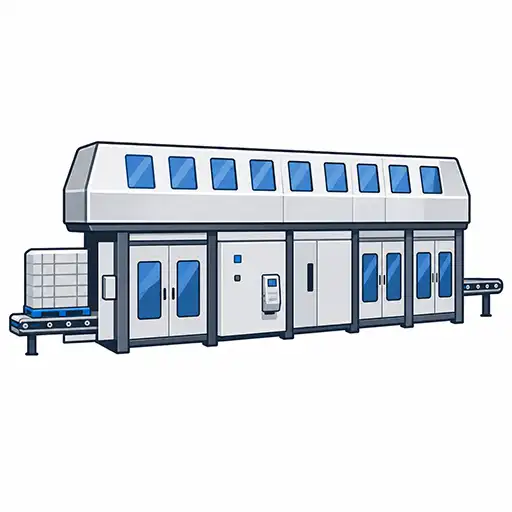
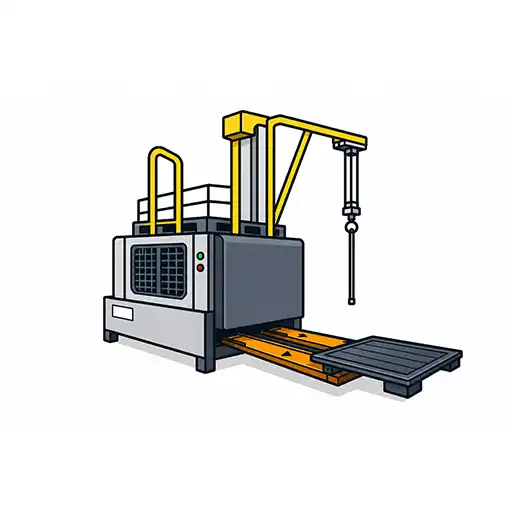
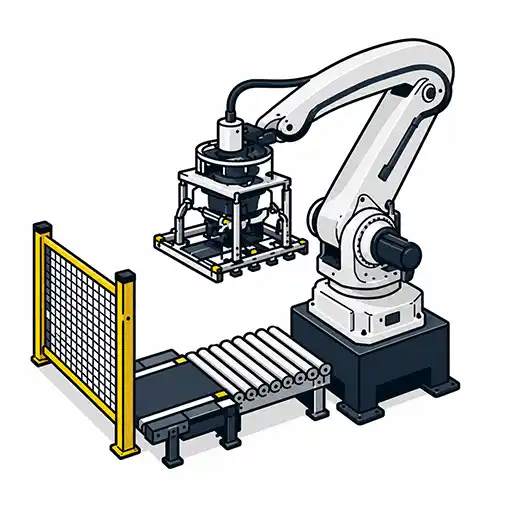
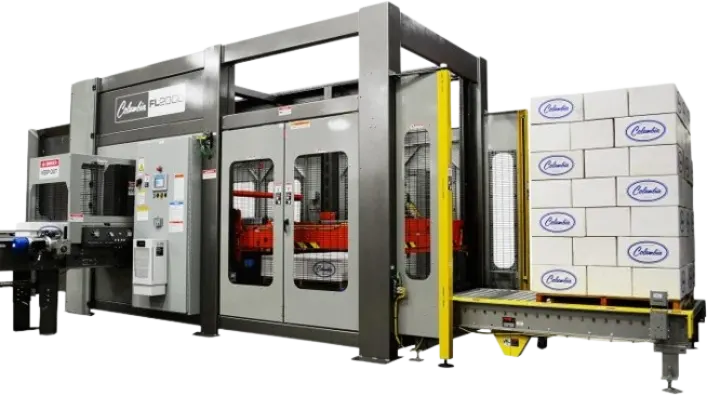

Introduction
In today’s fast-paced manufacturing environment, automation is the key to maintaining efficiency, speed, and consistency. High-level palletizers contribute significantly by automatically stacking products onto a pallet at elevated entry points. This blog provides a comprehensive view of high-level palletizers, their types, important components to think about while choosing the best tools and accessories, and the key reasons and factors that directly influence cost.
What do we know about high-level palletizers, and why are they so crucial?
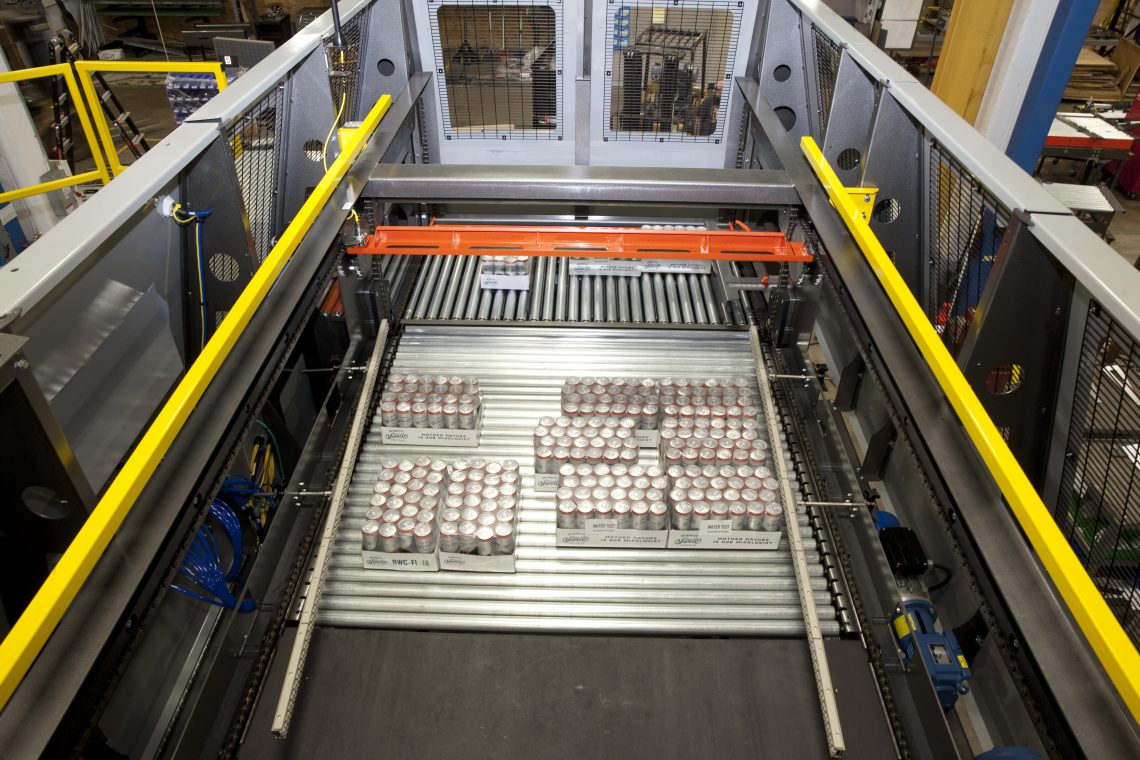
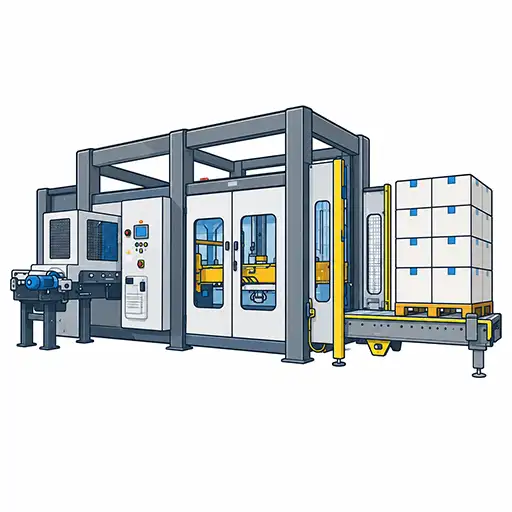
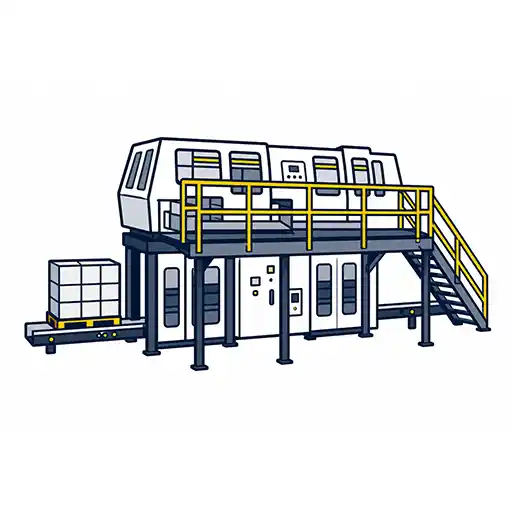
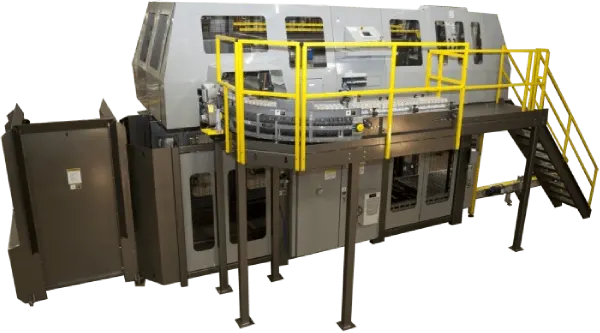
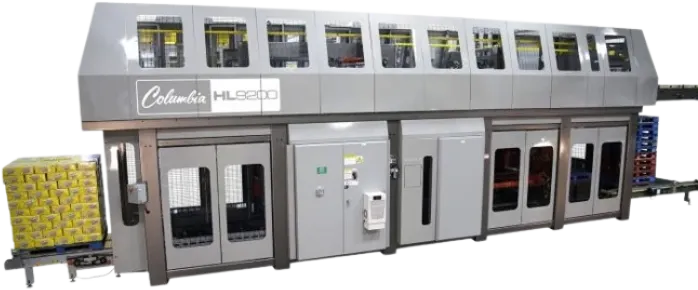
In a high-level palletizer, the products are placed into a system at an elevation; usually, its height ranges from 2800 mm to 3700 mm higher than the floor. The machine, in a very systematic method, helps to organize these products in rows, which then go on to become layers in the future.
Typically, a chain-driven hoist is situated inside the load build-up area to bring forward an empty pallet to the layer stripper apron and be in a position to obtain the very first layer of a new load. The hoist rises and lowers to place new layers of products onto the pallet until the required number of layers is stacked, forming a stable and complete load.
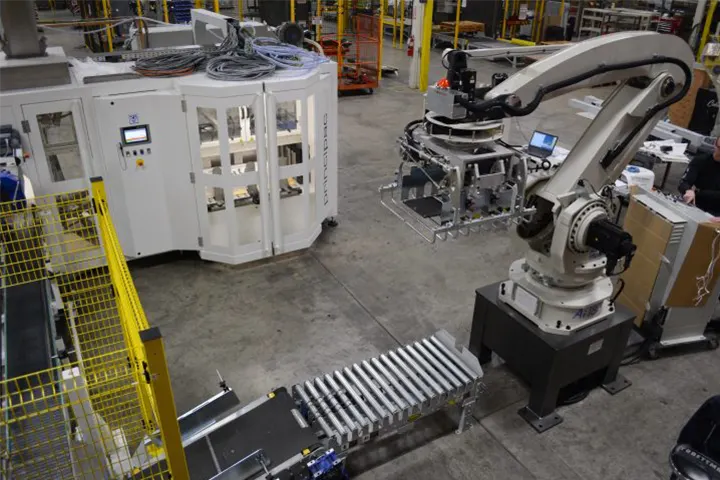
These systems are widely used in the packaging industry to stack and organize goods efficiently onto pallets. They are ideal for businesses that demand accuracy, productivity, and consistent performance in high-speed operations. With the palletizing process being automated, manufacturers will see a significant increase in production speed and accuracy, which will eventually save labor costs.
High-level palletizers are crucial for industries requiring fast and precise packaging, for instance, food and beverages, pharmaceuticals, and consumer goods.
Types of High-Level Palletizers: Automatic vs. Conventional
It’s essential to fathom the differences between automatic and conventional high-level palletizing systems when we talk about high-level palletizers.
Automatic High-Level Palletizers: These machines, along with fully automatic palletizers, also comprise the special feature of being able to operate with minimal human interference. These are perfect for carrying out high-volume operations and can easily be included with other packaging systems, ensuring a seamless workflow. They provide better speed, regularity, and flexibility in managing many projects.
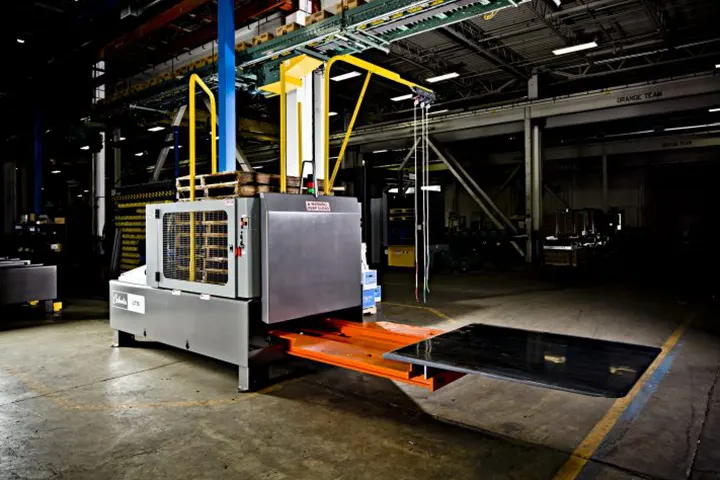
Conventional High-Level Palletizers: These machines, compared to the automated high-level palletizers, need more manual intervention and usage. These machines are generally acknowledged as semi-automatic. These are usually suitable for those companies having requirements that generally automatic systems cannot cater to; these are also suitable for businesses operating moderate volumes of production. Conventional systems are usually slower and not very flexible.
Factors to keep in mind While Choosing a High-Level Palletizer
Choosing the correct high-level palletizer is based on many factors, particularly your business requirements. Listed below are the key factors one should keep in mind:
Product Size and Type: You need to figure out first the product type that you plan to palletize; there are some machines that are built for huge, heavy items. On the other hand, there are some suitable small and lightweight products. Please check and ensure that the palletizer can take care of size, weight, and product height no matter how much they differ.
Production Volume: Those businesses that carry out high-volume operations require automatic high-level palletizers. On the contrary, conventional systems may just be right for companies adapting to minimal requirements.
Flexibility and Customization: Check how much the machine is adjustable to various kinds of products or styles of packaging. Some systems provide more flexibility and can be easily adjusted to meet requirements.
Installation and Space Needs: Please verify whether your facility has enough required space for the palletizer or not. High-level systems generally occupy vertical space, so your facility must be able to handle these machines.