
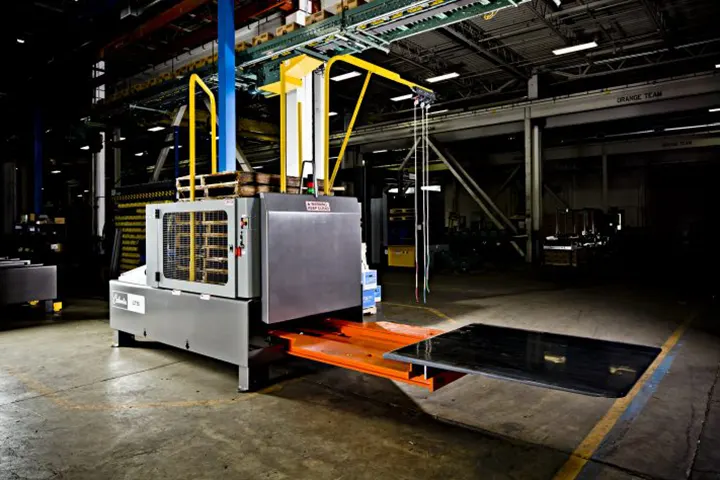
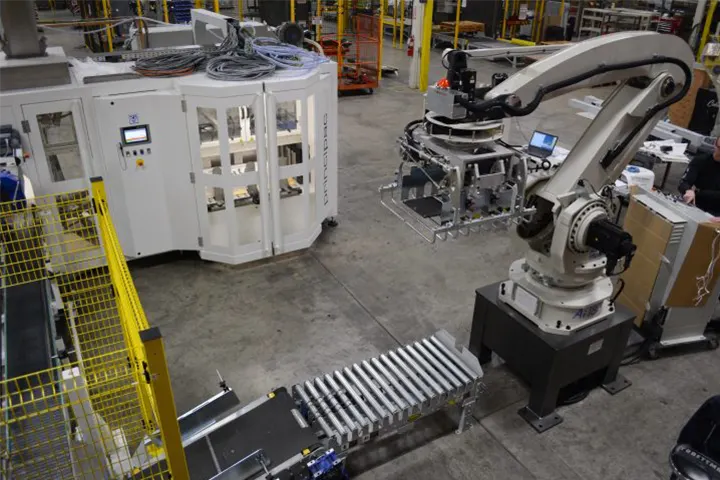

Types of Concrete Block Making Machines and Their Advantages
Types of Concrete Block Making Machines

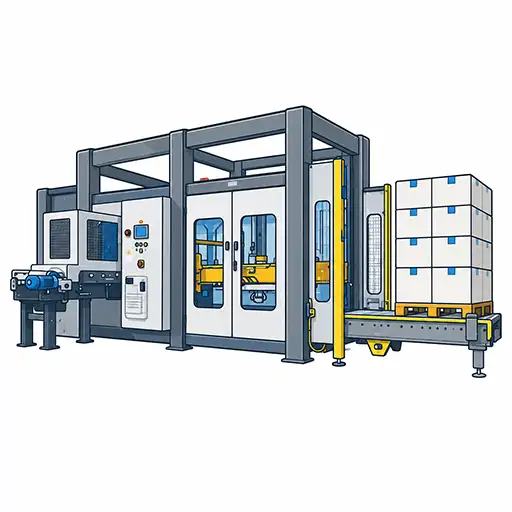
Manual Block-Making Machines
Manual machines are a cost-effective option for small-scale production. They typically require manual loading and de-moulding, even when mixing, compaction, and ejection. With limited output and higher dependence on labour, they are best suited to small contractors, start-ups, and local manufacturers handling low-volume projects.

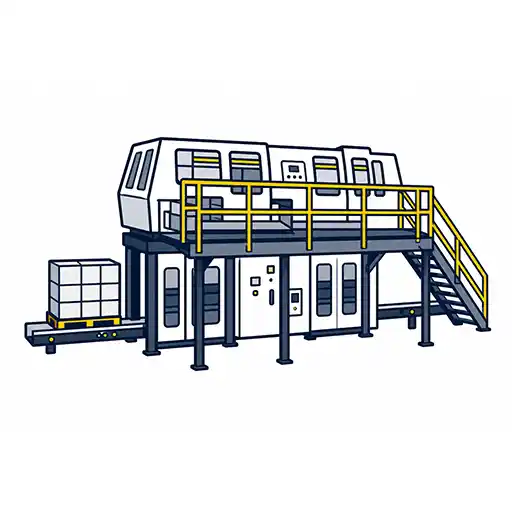
Semi-Automatic Block-Making Machines
Semi-automatic machines offer a balance between automation and manual operation. Processes such as mixing and compaction are automated, while material feeding and block handling may still require operator input. These machines are ideal for medium-scale manufacturers aiming to increase output without investing in full automation, delivering better productivity, and more consistent quality with controlled capital costs.

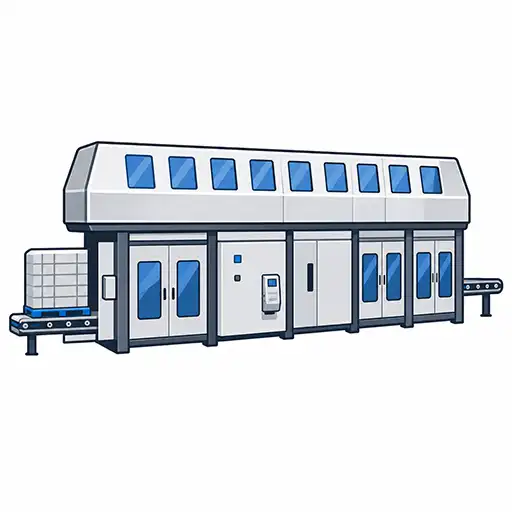
Fully Automatic Block-Making Machines
Consistent Quality and Precision:
Compared with manual production, a concrete block making machine delivers higher strength and precision in product. With controlled batching and compaction, blocks are produced with uniform size, density, and strength, which reduces rejection, improves customer confidence, and supports consistent quality at scale.
Cost-Effectiveness and Resource Optimization
While the initial investment in a concrete block making machine can be significant, it often delivers long-term savings through reduced material waste, lower labour requirements, and higher output per operator. Automation also improves resource utilization and overall manufacturing efficiency.
Higher Output and Scalability
As demand grows, automated features help manufacturers scale production with predictable cycle times and consistent quality. This makes it easier to serve multiple projects, meet delivery schedules, and expand capacity without a proportional increase in manpower.
Product Versatility
Many systems can be configured to produce a wide range of products, including blocks, kerbs, and concrete pavers, depending on moulds and attachments. If your facility also runs related equipment, such as a Brick making machine or integrated batching and concrete plants, you can align production to project requirements more efficiently.
Advantages of concrete Block Making Machines
Concrete block making machines play a vital role in modern construction by improving the speed, quality, and efficiency of block production. These machines are designed to produce uniform and durable concrete blocks with minimal manual effort, making them an essential investment for construction companies and manufacturers. One of the biggest advantages is increased production capacity, as machines can manufacture a large number of blocks in a shorter time compared to traditional methods. They also help reduce labour dependency and operational costs through automation and streamlined processes.
Factors to Consider When Choosing a concrete Block Making Machine

Production Capacity Requirements

Maintenance and Support Considerations

Available Space and Infrastructure
Conclusion
Manual machines are a cost-effective option for small-scale production. They typically require manual loading and de-moulding, even when mixing, compaction, and ejection. With limited output and higher dependence on labour, they are best suited to small contractors, start-ups, and local manufacturers handling low-volume projects.
Contact Us for concrete block making machine
Contact Columbia Machine India to discuss your capacity needs and request a quote for a concrete block making machine. Work with us as a long-term partner, offering reliable performance, responsive service, and solutions tailored to your production requirements.
Visit: https://colmac.in | Call: +91 722 893 1736
FAQs
Explore common questions about our palletizing systems, automation process, installation, support, and packaging solutions.
The most common concrete block making machine categories are manual, semi-automatic, and fully automatic machines, selected based on your desired output, labour availability, and investment level.
The price of a concrete block making machine in India varies based on capacity, automation level, mould/product requirements, and site
infrastructure. For an accurate estimate, it’s best to share your target output
and product mix and request a customized quotation.
Choosing concrete block machine suppliers in India can offer faster service support, easier access to spares, and solutions configured for local
operating conditions, along with competitive pricing and shorter turnaround times for assistance.
A high-quality concrete block making machine can last 15-20 years or longer with proper operation, preventive maintenance, and timely replacement of wear components.
To enquire about a concrete block making machine, visit https://colmac.in or call +91 722 893 1736 to connect with Columbia Machine India’s team and request product information or a quotation.