10 Things to Check Before Buying an AutomaticBlock Machine (Pre-Purchase Checklist)

Before investing in an automatic block making machine, it is important to consider. some crucial factors like production capacity, flexibility, and cost of ownership. A well-informed decision will help the manufacturer achieve quality, efficiency, and profitability. The following checklist will help manufacturers select the right machine for their current and potential needs.

Introduction

For any construction materials manufacturer, invest in an automatic block-making machine. The correct choice ensures superior output, long-term profitability, and consistent product quality

This article talks of a 10-point checklist to help you assess the right concrete
block production machine or concrete block machine for your business.

main

Production Capacity:

Comprehend blocks per day and per cycle.
Get it matched with your requirements: small (local builders), medium
(regional suppliers), or industrial scale
For reliable compaction, seek strong hydraulics and advanced vibration
systems for uniform and seamless block strength.
Inspect power specs: single-phase for smaller setups and 3-phase
electricity for large-scale operations and functioning.
Factor in energy efficiency to handle running costs.

Flexibility in Products:

Can the machine produce hollow blocks, pavers, solid blocks capability?
Modern brick press machines and concrete product machines should agree
and allow for mold changes.

After-Sales Service and Spare Parts Availability:

Please check whether local technical support is available in your region.
Please ensure the availability of spare parts to prevent downtime.
Columbia, for instance, ensures spare parts support all through Asia and
offers expert service teams.

Supplier Reputation & Certifications:

Look for customer reviews and references.
Inspect for ISO/CE certifications.
Reputed manufacturers like Columbia have years of experience.

Installation and Training:

Does the supplier offer on-site installation?
Complete training lowers the overall risk of operating errors and ensures
enhanced product quality.

Total Cost of Ownership:

Don’t look at the machine’s cost.
Keep in mind regarding shipping, civil work, customs, installation, spare
parts, and continuing maintenance.
To assess ROI, calculate the cost per block.

Raw Material Compatibility:

Validate that the machine manages cement, fly ash, aggregates, or cinder
block meter mixes utilized in the market.
Machines with flexible feed systems enhance flexibility.

Space & Infrastructure Requirements:

Automatic machines require adequate floor space, storage for raw
materials, and curing areas.
Ask suppliers for the specific layout drawings.

Power and Utilities:

Assess the complete requirements of power consisting of hydraulic
systems, vibrators, and conveyors.
Ensure specifications of the air compressor and water supply.

Automation and Future Scalability:

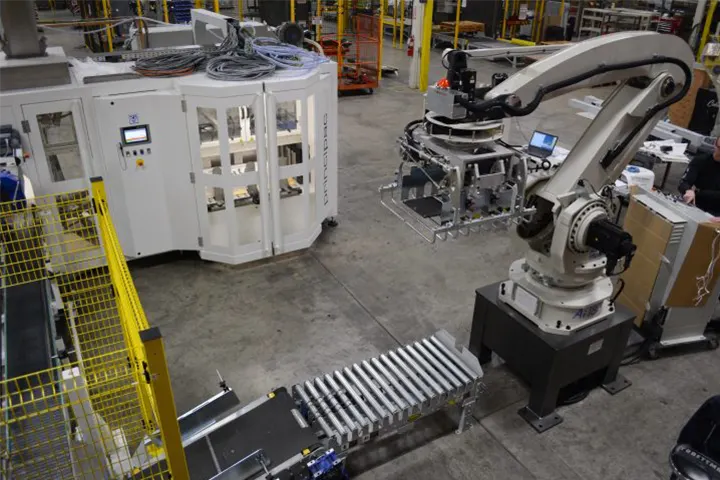
Machines differ from semi-automatic to fully automatic, including robotic
handling. Select a model that meets present requirements but also scales for
future expansion.

Pre-Purchase Checklist

It is essential to consider various critical parameters such as production capacity, machine flexibility, and investment cost before choosing an automatic block making machine. Choosing the right machine is critical to ensure the machine’s reliability and the quality of products produced as well as to run the machine efficiently. This checklist is designed to assist manufacturers in making wise investments according to their current and future needs.

Market Trends and Applications

Eco-Friendly Products: Increasing demand for fly ash and earth blocks.
Automation: A Growing shift from Manual to Automated cement block-
making machines for efficiency
Columbia continues to offer advanced concrete block machines throughout
Asia, ensuring robust productivity and technical support for regional
manufacturers. 

Conclusion

Selecting the correct concrete block making machine is not only about the initial cost; it’s also about ensuring reliability, adaptability, and long-term profitability. You can prevent usual mistakes and invest with confidence by checking these 10 points before purchasing. Columbia Machine, consisting of more than 85 years of
expertise, provides advanced concrete block making machines, customized solutions, and reliable after-sales support throughout
South Asia and Southeast Asia. Contact Colmac today to discuss the best machine for your business requirements.

FAQs

Explore common questions about our palletizing systems, automation process, installation, support, and packaging solutions.

What is the ideal production capacity I should look for?
It relies on the market size; small units may require 500-1,000 blocks per day, whereas industrial players might require 20,000+ blocks per day.

Various raw materials, including cement, fly ash, aggregates, and local
substitutes like sand and stone dust, are compatible

Varies from 300 to 1,000 sq. m based on machine type and curing setup.

Most large machines operate on 3-phase electricity with power between 20 and 100 HP.

It is essential, as without local spares or service availability, downtime can
easily cost lakhs daily.

What certifications should the machine comply with?
ISO, CE, or regionally required safety/quality certifications.

Semi-automatic suits smaller firms; however, large-scale manufacturers
benefit from fully automated solutions.

Yes, multipurpose cement block production machines allow mold changes for various purposes.

In India and many SAARC and Southeast Asian countries provide industrial loans, subsidies on fly ash utilization, and export incentives.
Copy link
Please enable JavaScript in your browser to complete this form.