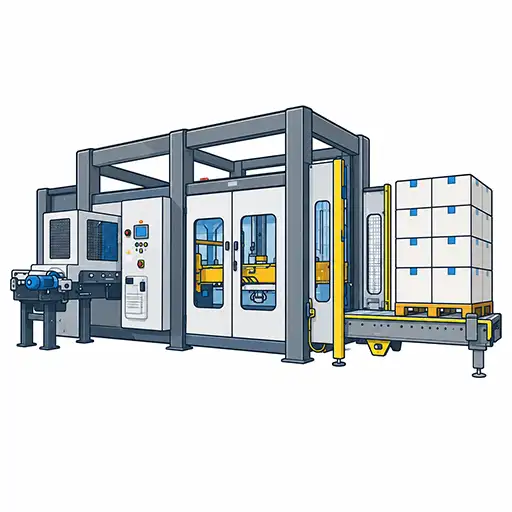
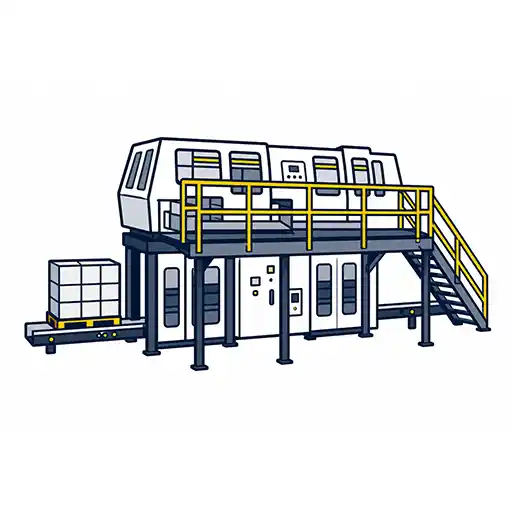
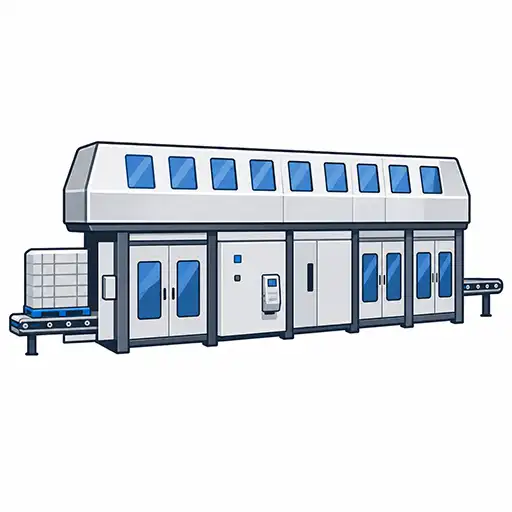
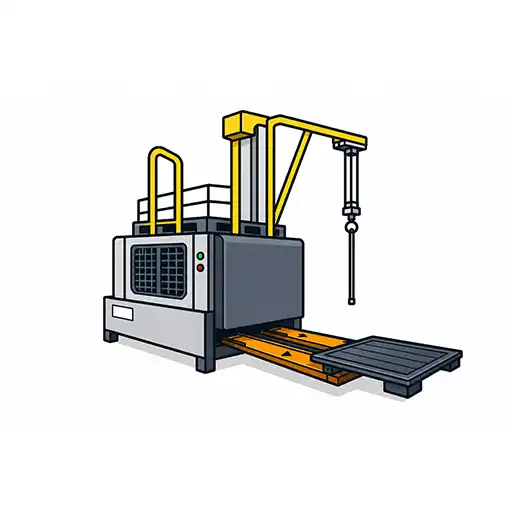
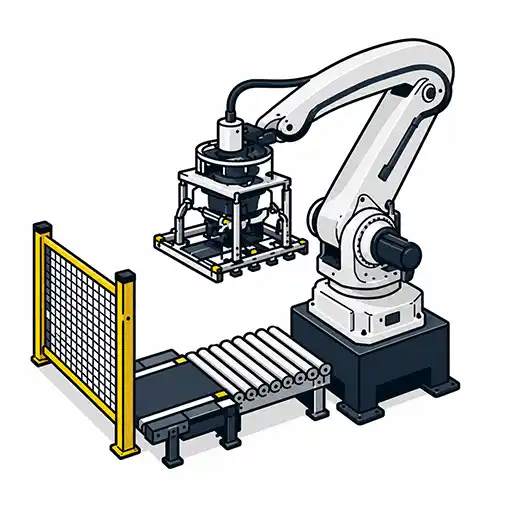
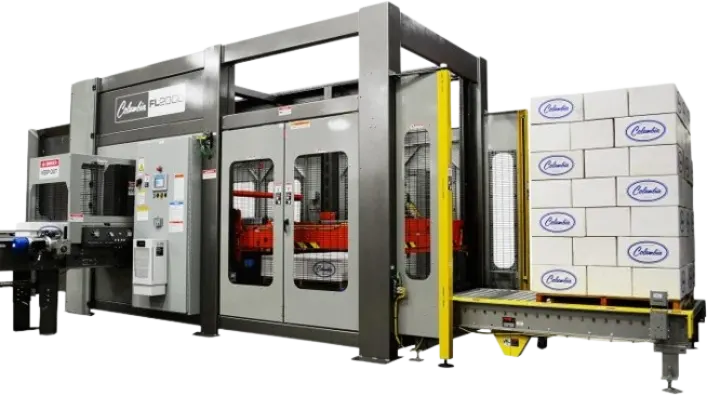
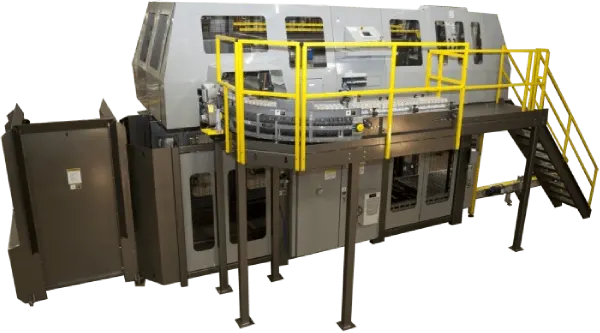
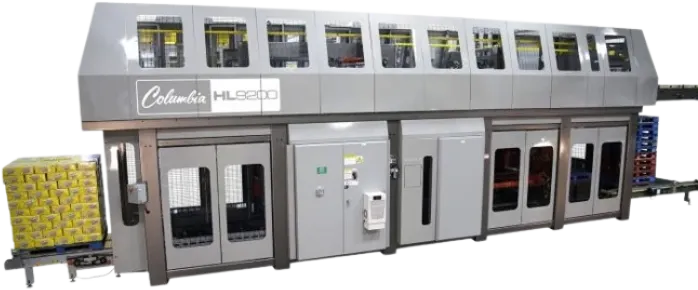
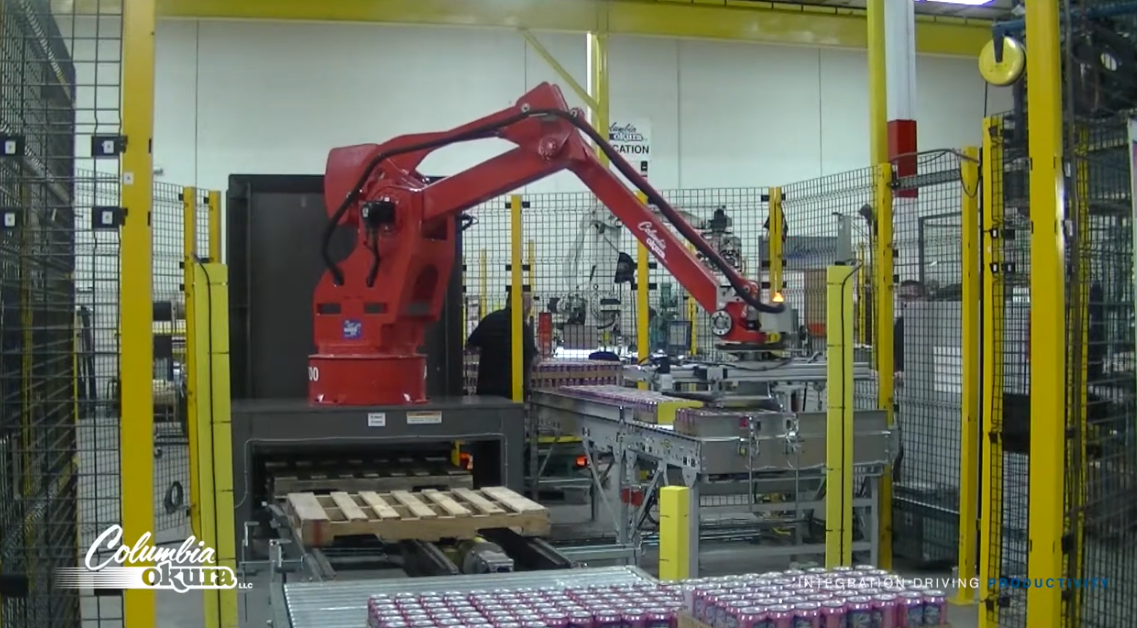
Designed for rapid throughput, these systems support high production capacities with fast cycle times and minimal operational delays.
Advanced servo motion technology guarantees that the pallet patterns will be repeated, accurate positioning will be maintained, and product misalignment will be minimized.
Designed for industrial inline palletizing, the equipment is capable of running efficiently even in continuous changing industrial environments and heavy production schedules.
The palletizer integrates efficiently with conveyors, packaging systems, barcode systems, stretch wrappers, and warehouse automation equipment.
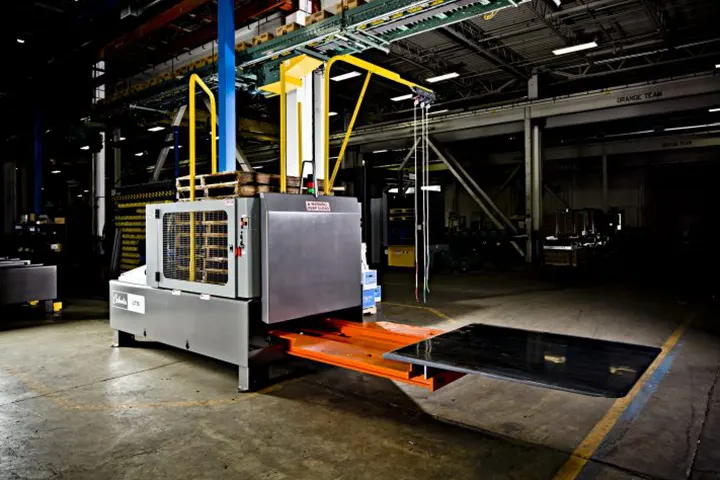
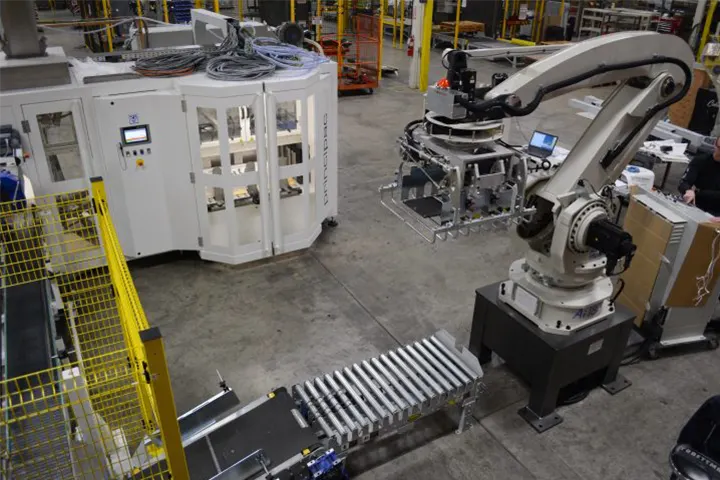
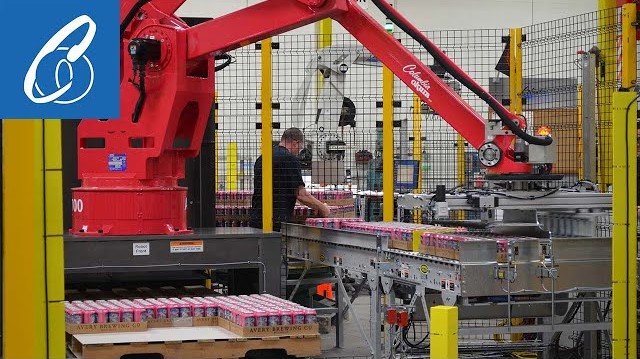
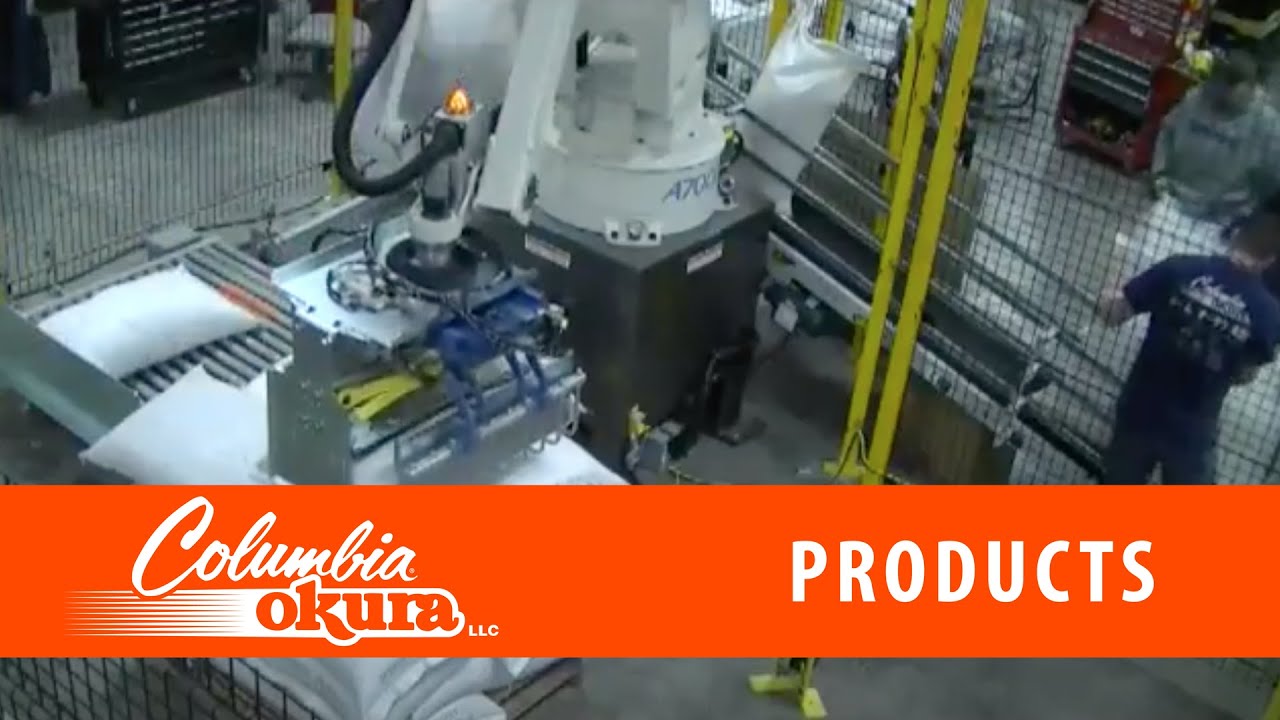
In high-volume manufacturing environments, packaging operations require speed, consistency, scalability, and operational reliability. A modern inline palletizer supplier provides automation systems capable of maintaining continuous production flow while improving efficiency across the packaging line.
Processes large production volumes continuously without compromising stacking accuracy or load quality.
Minimizes operator involvement in repetitive palletizing operations, lowering labor dependency and reducing handling errors.
Ensures uniform pallet formation for improved warehouse storage, transportation safety, and product protection.
Keeps the movement of products on the line in sync, which helps to avoid line blocks and slowdowns in operations.
Lowers the risk factors of repetitive lifting, heavy product handling, and manual pallet stacking.
Supports future production expansion with flexible configurations and upgrade-ready automation architecture.
Reduces palletizing cycle times significantly while maintaining continuous high-speed production output.
Automates end-of-line palletizing processes with precise, repeatable, and uninterrupted machine performance.
Handles cartons, trays, bundles, shrink-wrapped products, crates, and cases with high operational flexibility.
Industrial-grade components and intelligent diagnostics minimize breakdowns and maintenance interruptions.
Integrated PLC and HMI systems support recipe management, quick changeovers, real-time diagnostics, and operational monitoring.
Reduces labor expenses, product damage, and operational inefficiencies while improving overall productivity.